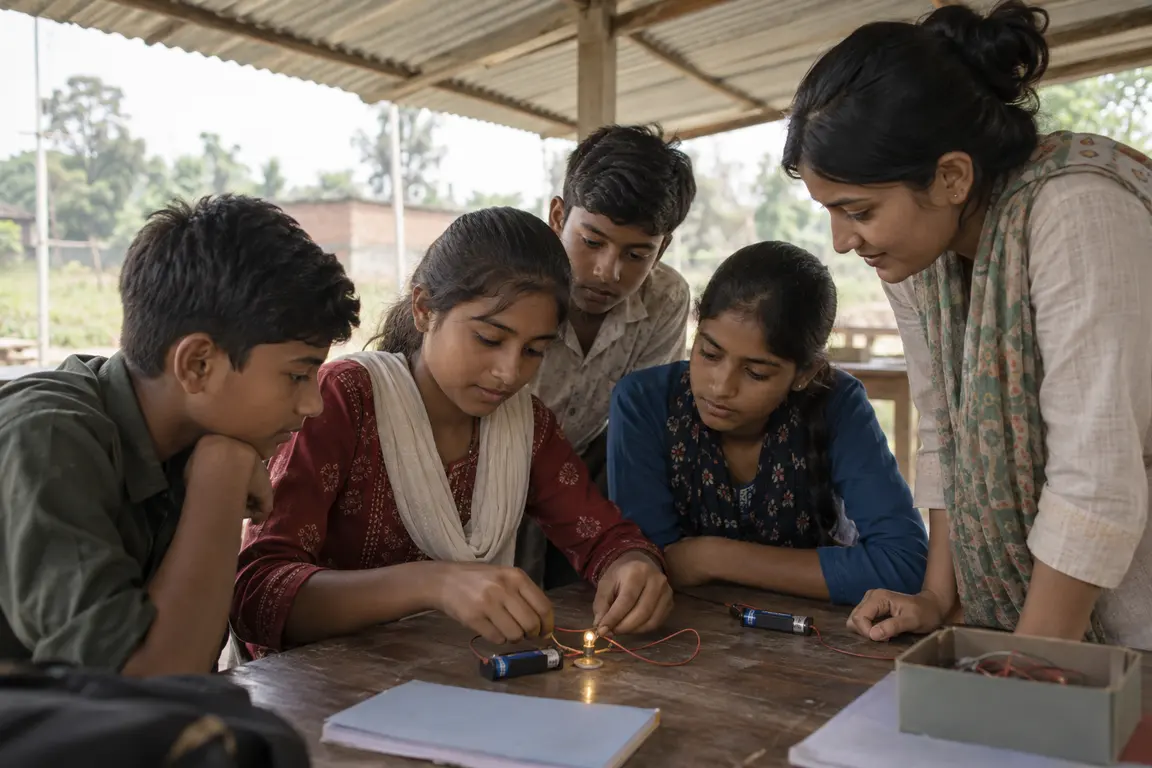
Our priority
Education Initiative
A practical, carefully safeguarded plan to support children and learners who face financial or resource barriers — designed now, to be launched only when the foundation is ready to run it well.
Proposed — not yet launched
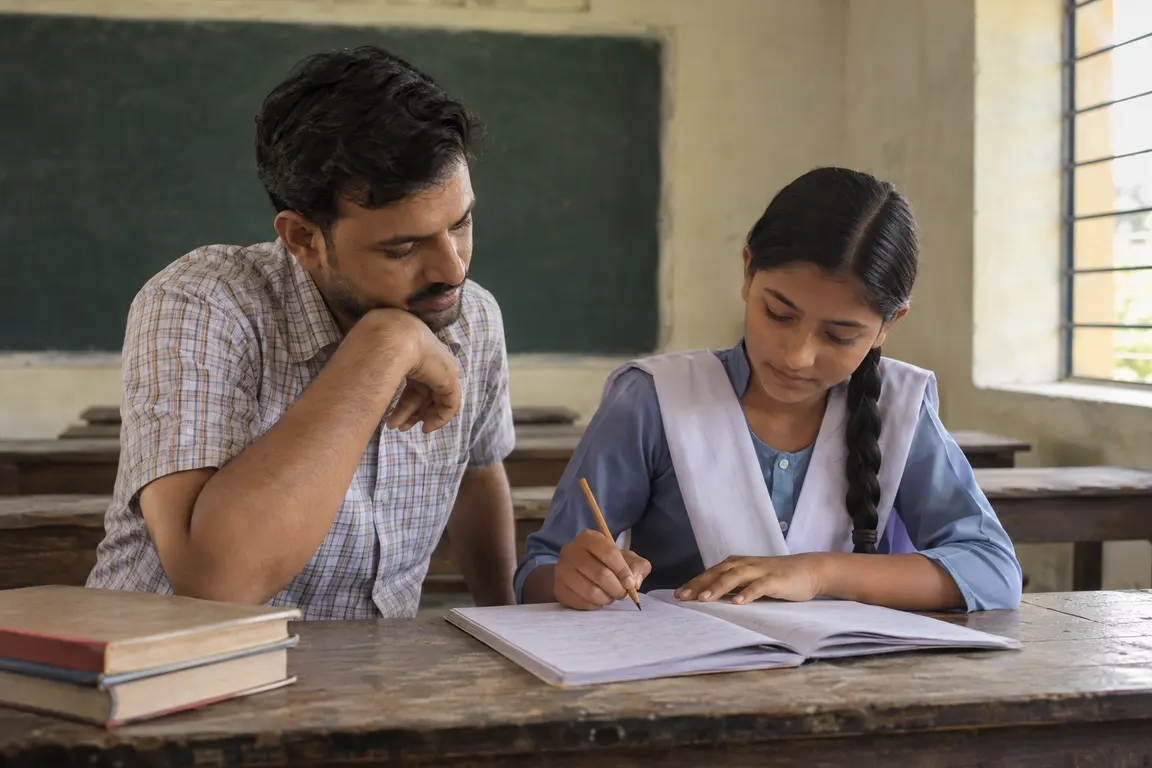
What the initiative will include
Learning resources
Distribution of educational resources to children and community learning spaces, based on need.
Books and stationery
Term-time supply kits and a book bank for good-condition textbooks and readers.
Digital learning
Access to devices and quality free digital learning content, with guidance on using it well.
Digital literacy workshops
Hands-on sessions for students and families on computers, smartphones and staying safe online.
Volunteer teaching and mentoring
Trained, screened volunteers supporting small groups and mentoring older students.
Community learning
Reading circles, learning fairs and activities that bring families and schools together.
Transparent eligibility
- Criteria will be published before each program opens.
- Need-based: household circumstances, access to resources and learning needs.
- Never based on religion, caste, gender or connections.
- Simple, respectful checks — no humiliating proof of poverty.
- A clear way to ask questions or appeal a decision.
Application and referral
When the initiative is operationally ready, families, teachers and community members will be able to apply or refer a child through a simple form and in person. Applications are not open yet.
Applications not open
Safeguards for children and vulnerable people
- Guardian consent for every child, and the child's own agreement to take part.
- Only the information truly needed — no Aadhaar numbers or sensitive details collected unless legally required.
- Activities in open, visible spaces; never one adult alone with a child.
- Screened and trained volunteers who sign a code of conduct.
- No photographs of children without documented consent, and no identifying details in public.
- A named safeguarding lead and a clear way to report concerns.
Measuring participation and learning
- Attendance and continued participation
- Simple, consistent reading and numeracy checks at the start and end of each term
- Continuation in school over time
- Feedback from children, guardians and teachers
- Results published only after verification, with methods and limitations
Help shape the initiative
We are looking for people with experience in teaching, child protection and community work to help us get the design right before launch.